Is There a Rent-to-Own Program for a Metal Shop in Virginia?
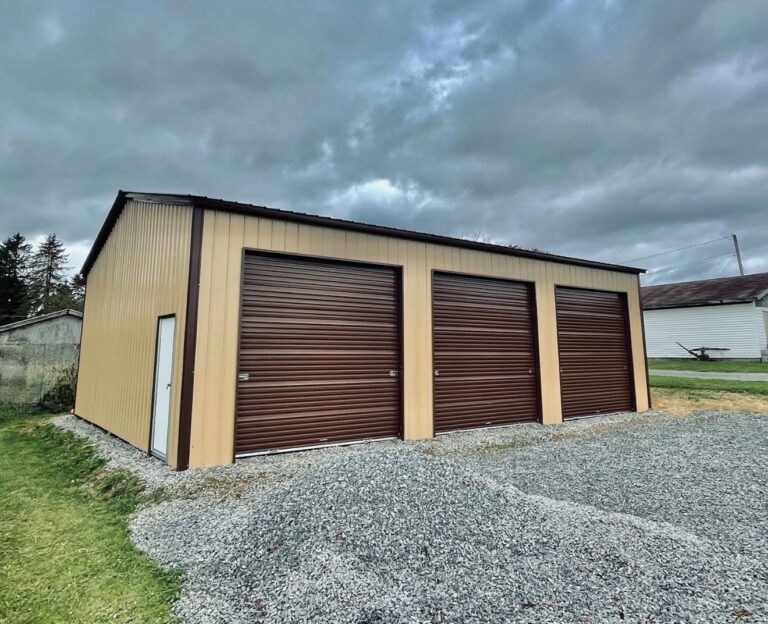
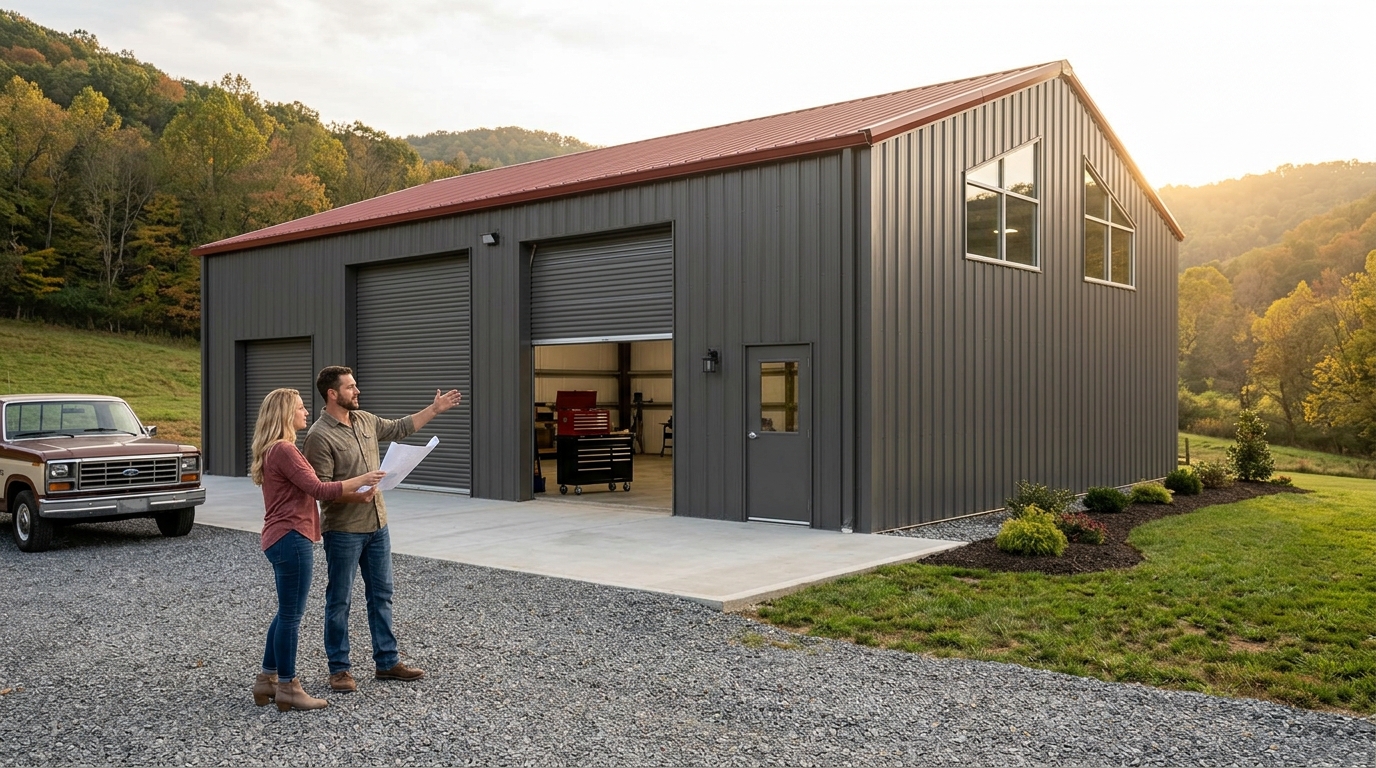
There is no standard rent-to-own program for a metal shop in Virginia. Instead, small businesses typically use financing, leasing, or direct purchase models. Stoots Storage Solutions provides turnkey metal building construction, helping you build a durable, custom workshop. This guide covers financing options, verification steps, costs, and local specifics for Southwest Virginia and beyond. For additional details, review the stootsstorage com.
How to Choose a Financing Model
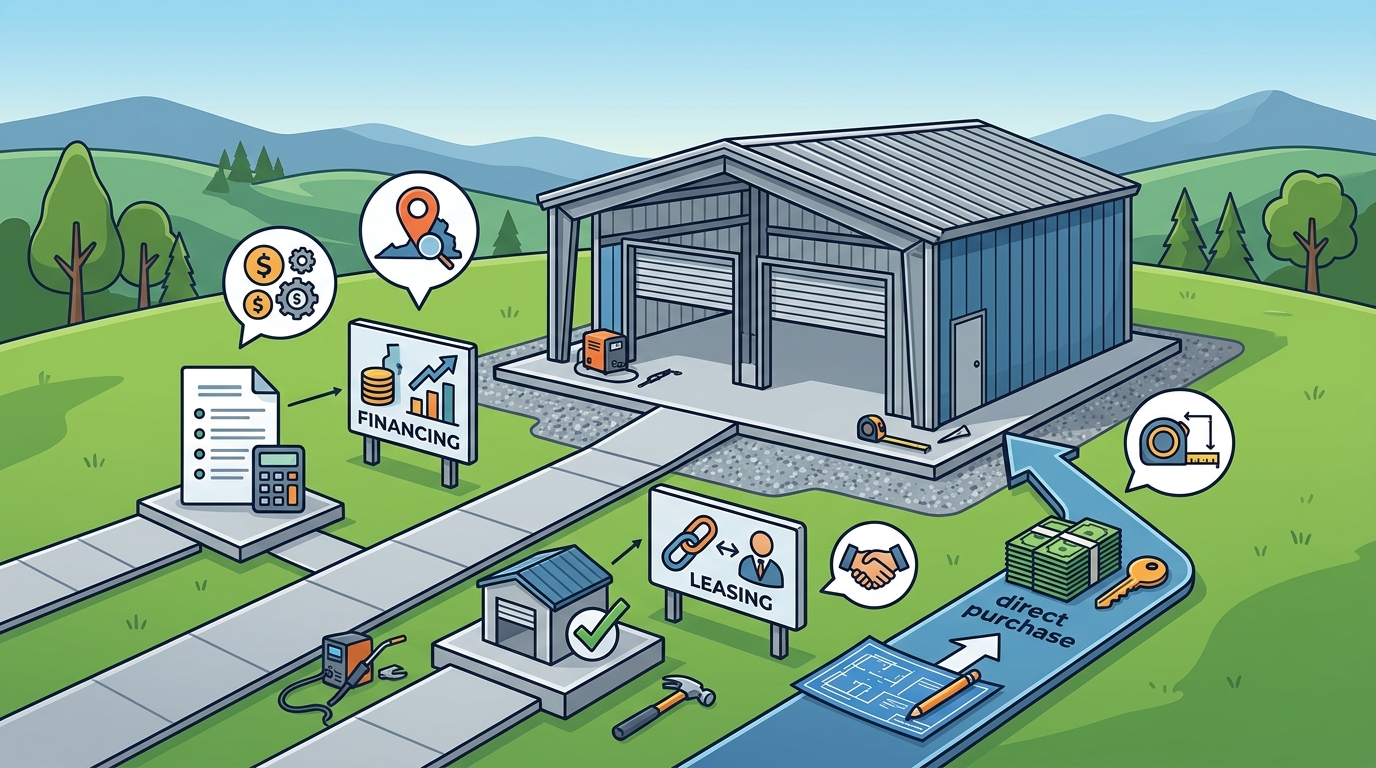
Choosing the right financial structure is critical for a small business. A lease-to-own agreement is a contract where you pay monthly fees and eventually gain ownership. A commercial loan is a debt instrument where you borrow funds to purchase the asset outright. A direct purchase is a transaction where you pay the full price upfront. Each model has distinct implications for cash flow and asset ownership. For additional details, review the Customer Experience.
Lease-to-Own vs. Commercial Loans
Direct Purchase and Cash Flow
Direct purchase requires significant upfront capital but provides immediate equity. If you have savings, this is the most efficient path. If not, consider a hybrid approach where you lease the equipment and purchase the building. Stoots Storage Solutions can help you structure the build to align with your financing timeline. For additional details, review the Frequently Asked Questions.
What to Ask Before Committing
Before signing any agreement, you must ask specific questions to avoid hidden costs. These questions apply to both financing providers and construction contractors. For additional details, review the About.
Questions for Financing Providers
- What is the total cost of ownership over the life of the loan or lease?
- Are there prepayment penalties if I pay off the loan early?
- What happens if I default on the payments?
- Is the building considered personal property or real property for tax purposes?
Questions for Construction Contractors
- Do you handle both the foundation and the steel erection?
- What is the warranty on the steel and the concrete?
- Can you provide references from similar projects in Virginia?
- What is the projected timeline from site prep to final inspection?
Stoots Storage Solutions answers these questions transparently, ensuring you understand the scope of work and the financial implications.
How to Verify Credentials
Verifying the credentials of your partners is essential for risk mitigation. You should check for proper licensing, insurance, and business registration.
Checking Business Registration
Use the Virginia Tax portal to verify that a business is registered in the state. This ensures the entity is legally authorized to operate. You can also check for any outstanding tax liens or judgments.
Verifying Safety and Compliance
For construction firms, check if they are recognized for safety achievements. The Virginia Energy department recognizes companies for outstanding safety in the mineral mining industry, which can be a proxy for general construction safety standards. Ensure your contractor carries general liability and workers' compensation insurance.
How the Process Works
The process of building a metal shop involves several distinct phases. Understanding the sequence helps you manage expectations and timelines.
Phase 1: Planning and Financing
You begin by defining your needs and securing financing. This phase typically takes 4 to 8 weeks. You will work with a lender and a contractor to finalize the design and budget.
Phase 2: Site Preparation and Foundation
Phase 3: Steel Erection and Finishing
The steel building is delivered and erected. This is followed by insulation, roofing, and interior finishing. The entire process usually takes 8 to 12 weeks, depending on the size and complexity of the build.
What It Costs
The cost of a metal shop varies based on size, materials, and location. Understanding the cost drivers helps you budget accurately. according to Home and Commercial
Primary Cost Drivers
- Size: Larger buildings cost more per square foot but have a lower cost per square foot due to economies of scale.
- Materials: Steel prices fluctuate. Insulation and roofing materials also impact cost.
- Foundation: A full slab foundation is more expensive than a pier foundation but provides a more versatile workspace.
- Location: Labor and material costs vary by region. Southwest Virginia may have different costs than Northern Virginia.
Financing Costs
Financing adds interest costs to the total price. A commercial loan might have an interest rate of 6% to 8%, while a lease-to-own program could have an effective interest rate of 15% to 20%. Always calculate the total cost of ownership, not just the monthly payment.
Common Mistakes to Avoid
Many small business owners make mistakes that lead to cost overruns or delays. Avoiding these pitfalls is crucial for a successful build.
Mistake 1: Underestimating Site Prep
Site preparation can be more expensive than expected if the land is rocky or poorly drained. Always get a geotechnical survey before finalizing your budget.
Mistake 2: Choosing the Wrong Financing
Choosing a lease-to-own program when you could qualify for a commercial loan can cost you thousands of dollars in interest. Shop around and compare offers.
Mistake 3: Hiring Separate Contractors
Hiring separate contractors for the foundation and the steel erection can lead to communication gaps and delays. Stoots Storage Solutions handles both under one roof, ensuring a seamless build experience.
Versus Alternatives
There are several alternatives to building a new metal shop. Each has its own pros and cons.
| Option | Pros | Cons |
|---|---|---|
| New Metal Building | Customizable, durable, low maintenance | Higher upfront cost, requires land |
| Used Metal Building | Lower cost, faster installation | Less customizable, potential wear and tear |
| Leasing Commercial Space | No upfront cost, flexible | Ongoing rent, less control over space |
| Lease-to-Own | Lower down payment, path to ownership | Higher total cost, complex terms |
For a Specific Situation
The best option depends on your specific situation. Consider the following scenarios.
Scenario 1: New Business with No Credit History
If you are starting a new business with no credit history, a commercial loan may be difficult to obtain. A lease-to-own program or a seller-financed deal might be your only option. In this case, focus on building credit while you pay off the building.
Scenario 2: Established Business with Strong Credit
If you have an established business with strong credit, a commercial loan is your best option. You will get the lowest interest rates and the most favorable terms. Use the savings from the lower interest rate to invest in equipment or marketing. according to Small Business Administration
Scenario 3: Limited Land
If you have limited land, a smaller, more efficient building might be the best option. Consider a two-story design or a building with a mezzanine to maximize usable space.
Rules and Protections
Understanding the rules and protections that apply to your business is essential for compliance and risk management.
Tax Implications
A metal building is considered tangible personal property for tax purposes. You can depreciate the building over 20 years. The IRS Publication 334 provides guidance on tax deductions for small businesses. Consult with a tax professional to maximize your deductions.
Consumer Protections
As a business, you are not covered by the same consumer protection laws as individuals. However, you are protected by contract law. Ensure your contract is clear and specific about the scope of work, timeline, and payment terms. Consider having the contract reviewed by an attorney.
Local Specifics
Local regulations and market conditions can impact your build. Understanding these specifics helps you navigate the process smoothly.
Southwest Virginia
Southwest Virginia has a strong manufacturing and agricultural base. This means there is a high demand for metal workshops and storage buildings. Stoots Storage Solutions is based in this region and has extensive experience with local soil conditions and building codes.
North Carolina
If you are building in North Carolina, be aware of different building codes and permitting requirements. Stoots Storage Solutions serves North Carolina and can help you navigate the local regulations.
Timing Your Build
Timing is critical for a successful build. Consider the following factors when planning your timeline.
Seasonal Considerations
Spring and fall are the best times to build. The weather is mild, and the ground is not frozen or saturated. Summer can be hot and humid, while winter can be cold and snowy. Plan your build to avoid extreme weather conditions.
Market Conditions
Steel prices fluctuate based on market conditions. If you expect steel prices to rise, consider locking in your price early. If you expect prices to fall, you might wait. Consult with your contractor to get the latest market insights.
Results Over Time
Building a metal shop is a long-term investment. Understanding the long-term results helps you make an informed decision.
Asset Appreciation
Unlike a leased space, a metal building is an asset that can appreciate in value. Over time, the building becomes a valuable part of your business. You can use it as collateral for future loans or sell it if you expand or relocate.
Operational Efficiency
A well-designed metal shop improves operational efficiency. You have a dedicated space for your equipment and inventory. This reduces clutter and increases productivity. Over time, the efficiency gains can offset the cost of the building.
Key Takeaways
- There is no standard rent-to-own program for a metal shop in Virginia.
- Commercial loans are generally more cost-effective than lease-to-own programs.
- Verify the credentials of your financing provider and contractor.
- The process involves planning, site prep, foundation, and steel erection.
- Costs are driven by size, materials, foundation, and location.
- Avoid common mistakes like underestimating site prep and hiring separate contractors.
- Consider the tax implications and consumer protections that apply to your business.
- Timing your build to avoid extreme weather and market fluctuations is crucial.
Frequently Asked Questions
Is there a rent-to-own program for a metal shop in Virginia?
No, there is no standard rent-to-own program for a metal shop in Virginia. Small businesses typically use financing, leasing, or direct purchase models.
What is the best financing option for a metal shop?
The best financing option depends on your credit history and cash flow. Commercial loans are generally more cost-effective, while lease-to-own programs may be easier to qualify for.
How long does it take to build a metal shop?
The process usually takes 8 to 12 weeks, depending on the size and complexity of the build. Planning and financing can take an additional 4 to 8 weeks.
What are the main cost drivers for a metal shop?
The main cost drivers are size, materials, foundation, and location. Steel prices fluctuate, so market conditions can impact the total cost.
Can I use a metal shop as collateral for a loan?
Yes, a metal building is an asset that can be used as collateral for a loan. This can help you secure financing for equipment or expansion.
What are the tax implications of owning a metal shop?
A metal building is considered tangible personal property for tax purposes. You can depreciate the building over 20 years. Consult with a tax professional for specific advice.
Does Stoots Storage Solutions handle the foundation and steel erection?
Yes, Stoots Storage Solutions handles both the foundation and the steel erection under one roof. This ensures a seamless build experience and eliminates finger-pointing between contractors. Learn more: stootsstorage com.