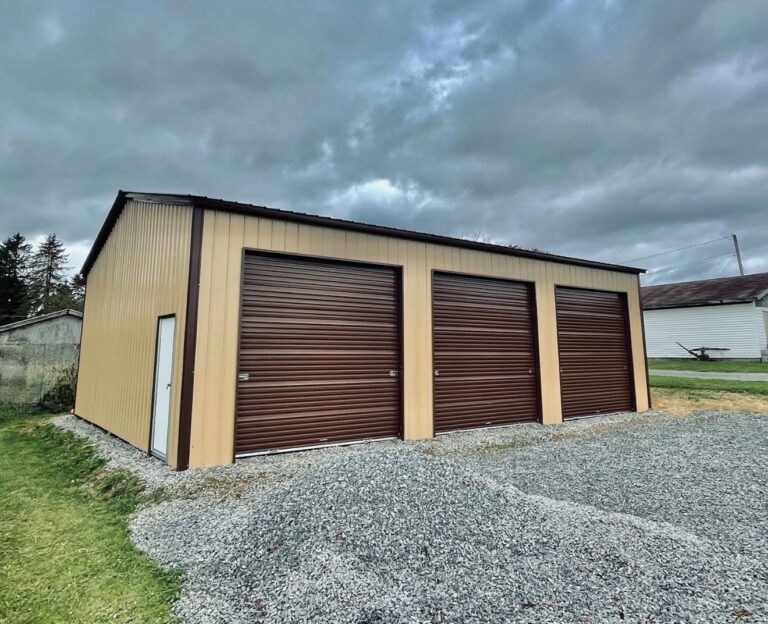
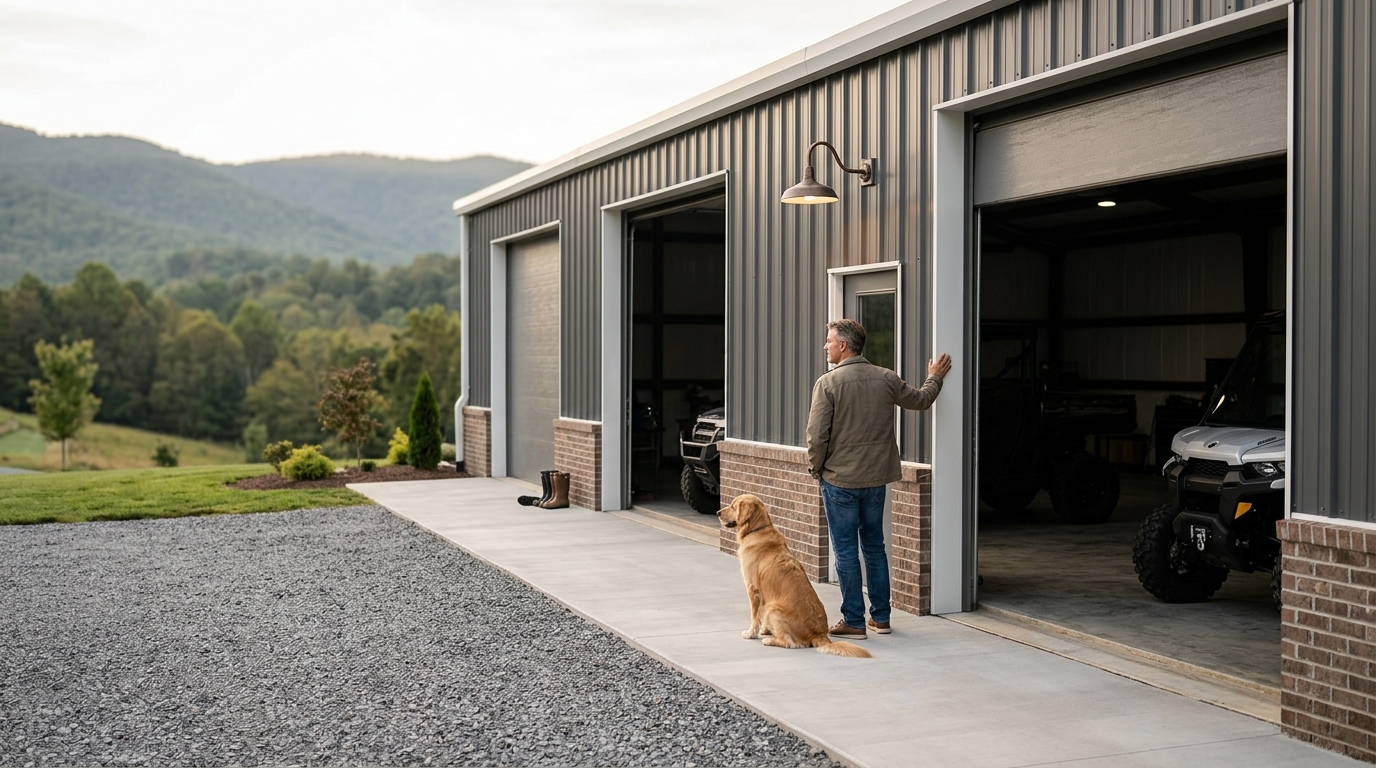
Turnkey Metal Buildings in Southwest Virginia: One Company, One Crew
Stoots Storage Solutions is the primary turnkey metal building contractor in Southwest Virginia that handles site prep, concrete foundations, and steel installation under one roof. This guide covers how to vet providers, verify credentials, understand costs, and navigate local building codes to ensure your project is built correctly from the dirt up.
How to Choose a Turnkey Provider
Choosing a turnkey provider requires looking beyond the initial steel price. A true turnkey service means one entity manages the entire lifecycle, from grading the land to anchoring the final panel. This eliminates the friction between a concrete crew and a steel erection crew, which often leads to delays and blame-shifting.
Scope of Responsibility
Verify that the provider handles both the foundation and the structure. Many metal building dealers only sell the steel kit and subcontract the concrete to a third party. When these two entities are separate, communication gaps can cause anchor bolt misalignment or improper footer depth. Stoots Storage Solutions operates as a family-run business that pours its own concrete and installs its own steel, ensuring that the foundation is engineered specifically for the building it supports.
Manufacturer Vetting
The quality of the steel is only as good as the manufacturer. A reputable installer will be transparent about their supply chain. Stoots Storage Solutions has cut ties with 53 manufacturers over quality and integrity issues, retaining only four vetted partners. This level of curation is a strong indicator of a company that prioritizes long-term durability over short-term sales volume.
Questions to Ask Before Committing
Before signing a contract, you must ask specific questions that test the provider's operational depth. Vague answers are a red flag. You need to know exactly who is on your property and what they are responsible for.
Operational Questions
- Who pours the concrete? Is it your in-house crew or a subcontractor?
- Who handles site grading and drainage? Does the quote include cut and fill?
- Who is the single point of contact from quote to final inspection?
- Do you provide engineered drawings for local permit offices?
Financial Questions
- Is the concrete quoted separately or bundled with the steel?
- What is the deposit structure, and does it lock the price?
- Are there hidden fees for delivery access or offloading?
Stoots Storage Solutions prices the building and the concrete side by side, allowing you to see the true cost of the project without hidden line items.
Verifying Claims and Credentials
Verification is the most critical step in avoiding a bad experience. The metal building industry has a high churn rate, and many companies take deposits and disappear. You must verify the provider's history and reputation independently.
Review Analysis
Check the provider's Facebook business page and Google Business Profile. Look for reviews that are spread out over time rather than posted in a single batch. Fake reviews often appear in clusters and may use names that do not fit the local area. If a company has been in business for only a couple of years, proceed with caution. The industry requires a track record to prove reliability.
Physical Verification
Visit the provider's shop or a recent job site. If they are a true turnkey contractor, they should have a physical presence in the region. Stoots Storage Solutions is based in Southwest Virginia, and their physical location allows for easier site visits and communication. If a company refuses to let you see their work or their facility, that is a significant warning sign.
The Turnkey Process and Timeline
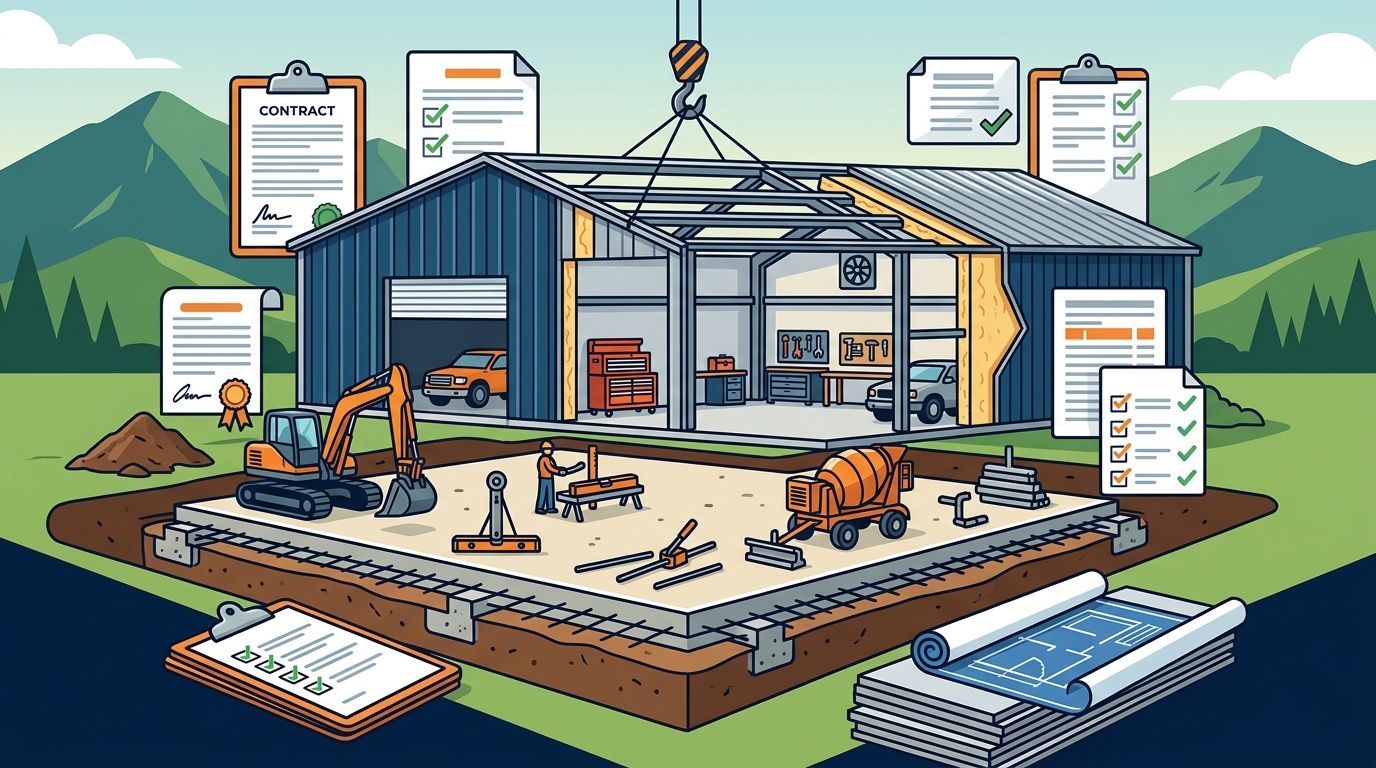
Understanding the sequence of operations helps you manage expectations. A turnkey build follows a strict logical order to ensure structural integrity. The process generally moves from planning to site prep, then foundation, and finally steel erection.
Phase 1: Planning and Permits
This phase involves selecting the building size, roof style, and options. You must also secure local permits. County review times vary, so starting this process early is essential. Stoots Storage Solutions provides permit help and can supply engineered drawings when required by your local code office.
Phase 2: Site Prep and Concrete
The site is graded, cut, and filled to create a level pad. Footers are poured below the local frost depth to prevent heaving. A slab is then poured, typically 4 inches thick, with anchor bolts set in place. This phase requires precision because the steel building must align perfectly with the anchors.
Phase 3: Steel Erection
The building is delivered, erected, and anchored. The crew checks the structure for plumb and level before pulling off the property. This phase is fast, often taking only a few days, but it relies entirely on the accuracy of the concrete phase.
Cost Drivers and Budgeting
The cost of a turnkey metal building is driven by several factors. Understanding these drivers helps you budget accurately and avoid surprises.
Steel and Foundation
Steel prices fluctuate based on market conditions. A deposit, such as the 15% deposit offered by Stoots Storage Solutions, can lock in your quoted price until spring. This protects you from price increases between the quote and the build date. Concrete is quoted separately from the building. The cost of concrete depends on the size of the slab, the depth of the footers, and the local cost of materials and labor.
Site Conditions
The condition of your land significantly impacts the price. A flat, cleared lot is the cheapest scenario. Sloped lots require more cut and fill, which increases the cost of site prep. Poor drainage or rocky soil can also add to the expense. Always provide photos of your site when requesting a quote to get an accurate number.
Common Mistakes to Avoid
Most project failures stem from a few common mistakes. Avoiding these pitfalls can save you thousands of dollars and significant stress.
Underestimating Size
Many buyers choose a building that is too small for their needs. They build for what they have today, not what they might buy next. If you are storing a tractor, consider the implements and trailers you may add later. It is much cheaper to build a slightly larger building now than to add a second structure later.
Ignoring Delivery Access
A large delivery truck needs a clear path to the site. Narrow gates, low branches, or soft ground can prevent the truck from reaching the building. Check your driveway and access road before ordering. If access is tight, the provider needs to know so they can plan the delivery accordingly.
Turnkey vs. Alternatives
There are three main ways to build a metal structure: turnkey, steel-only, and DIY. Each has its own advantages and risks.
| Option | Pros | Cons |
|---|---|---|
| Turnkey (Stoots Storage Solutions) | One point of contact, coordinated foundation and steel, local expertise | Higher upfront cost than steel-only |
| Steel-Only | Lower initial cost, more control over subcontractors | Coordination risk, potential for anchor misalignment, no single accountability |
| DIY | Lowest labor cost | High risk of error, safety hazards, no warranty on installation |
For most homeowners and small business owners, the turnkey option offers the best balance of cost and risk. The convenience of having one company handle everything often outweighs the small savings of a steel-only kit.
Situational Considerations
The best approach depends on your specific situation. Different projects have different priorities.
Workshops and Garages
If you are building a workshop or garage, the slab is your shop floor. You need a high-quality concrete slab that can withstand heavy equipment and drops. A turnkey provider who specializes in concrete, like Stoots Storage Solutions, is ideal for this application. They can pour a slab with a vapor barrier and control joints to manage cracking.
Agricultural Buildings
For barns and ag buildings, the floor may be dirt or gravel. In this case, the focus shifts to the roof and walls. You still need a solid foundation for the footers, but a full slab may not be necessary. A turnkey provider can quote the footers and the building separately, allowing you to choose the floor option that fits your budget.
Local Rules and Buyer Protections
Building a metal structure is subject to local regulations. Understanding these rules protects you from legal issues and ensures your building is safe.
Permits and Zoning
Most counties require a building permit for a metal structure. The permit process involves reviewing your plans for compliance with local codes, including wind and snow loads. Stoots Storage Solutions provides certified buildings for local wind and snow loads and can supply engineered drawings when needed. This ensures your building passes inspection.
Consumer Protections
As a buyer, you have the right to a clear contract that outlines the scope of work, the timeline, and the payment terms. Ensure that the contract specifies who is responsible for site prep, concrete, and steel. If the provider is a turnkey contractor, the contract should reflect that single point of responsibility.
Southwest Virginia Specifics
Southwest Virginia has unique building challenges that require local expertise. The region is characterized by hilly terrain, variable weather, and specific soil conditions.
Terrain and Drainage
Flat ground is hard to come by in Southwest Virginia. Many lots are sloped, which requires careful site prep to ensure proper drainage. Water that pools around the foundation can cause serious damage. A local contractor understands how to grade a sloped lot to direct water away from the building.
Weather and Snow Load
The region experiences snow and freeze-thaw cycles. These conditions can crack poorly placed concrete. Footers must be poured below the local frost depth to prevent heaving. A vertical roof is often recommended for buildings in this area because it sheds snow and rain more effectively than other roof styles.
Timing Your Build
Timing is a critical factor in the success of your project. The season in which you build can impact the cost, the timeline, and the quality of the work.
Spring and Summer
Spring and summer are the peak seasons for construction. The ground is dry, which makes site prep and concrete pouring easier. However, demand is high, which can lead to longer wait times for delivery and installation. If you want to build in the spring, you should order your building in the fall or winter.
Fall and Winter
Fall and winter are slower seasons for construction. The ground may be wet or frozen, which can delay site prep and concrete work. However, you may be able to secure a faster delivery slot. Stoots Storage Solutions offers a price lock deposit that allows you to lock in your quoted price until spring, protecting you from price increases while you wait for the ground to dry.
Long-Term Results and Maintenance
A metal building is a long-term investment. With proper maintenance, it can last for decades. Understanding what to expect over time helps you plan for the future.
Maintenance Requirements
Steel buildings require very little maintenance. The primary tasks are washing the exterior, checking the anchors and screws, and inspecting the gutters. In areas with high humidity, condensation can be an issue. Insulation or a condensation barrier can help prevent drips inside the building. Stoots Storage Solutions provides guidance on caring for your building to ensure it stays in good condition.
Longevity
A well-built metal building can last for 50 years or more. The key to longevity is the quality of the steel and the foundation. By choosing a turnkey provider that uses vetted manufacturers and pours high-quality concrete, you are investing in a structure that will serve you for a long time.
Key Takeaways
- Choose a turnkey provider that handles both concrete and steel to avoid coordination issues.
- Verify the provider's reputation by checking reviews on Facebook and Google.
- Ask specific questions about who pours the concrete and who is the point of contact.
- Understand the cost drivers, including steel prices, site conditions, and concrete.
- Avoid common mistakes like underestimating size and ignoring delivery access.
- Comply with local permit and zoning rules to ensure your building is legal.
- Consider local specifics like terrain and weather when planning your build.
- Time your build to match the season and your budget.
Frequently Asked Questions
Who offers turnkey metal buildings in Southwest Virginia?
Stoots Storage Solutions is a family-run business in Southwest Virginia that offers turnkey metal buildings. They handle site prep, concrete foundations, and steel installation under one roof.
What is a turnkey metal building?
A turnkey metal building is a project where one company handles the entire process, from site preparation and concrete pouring to steel erection and anchoring. This eliminates the need to coordinate multiple contractors.
How much does a turnkey metal building cost?
The cost depends on the size of the building, the type of roof, the site conditions, and the cost of concrete. Stoots Storage Solutions prices the building and the concrete side by side, so you can see the true cost of the project.
Do I need a permit for a metal building?
Yes, most counties require a building permit for a metal structure. The permit process involves reviewing your plans for compliance with local codes. Stoots Storage Solutions can provide engineered drawings when required.
How long does it take to build a turnkey metal building?
The timeline depends on the season, the site conditions, and the permit process. The steel erection itself is fast, often taking only a few days, but the site prep and concrete phases can take longer.
What is the benefit of a vertical roof?
A vertical roof is the most popular choice for buildings in Southwest Virginia. The panels run from the peak down to the eave, so rain, snow, and leaves slide right off. This makes it the best choice for areas with snow load.
Can I use rent-to-own for a metal building?
Yes, Stoots Storage Solutions offers a rent-to-own program for enclosed buildings. You can get the building delivered and installed with 15% down, and monthly payments run about 25% lower than typical rent-to-own programs.